 +86 13717134343


An IP67 android tablet changes what “taking the tablet along” means on a trail, a job site, or a boat deck. But marketing labels hide real differences. Here is how to judge a genuinely waterproof android tablet before you commit.
Decode the Rating First
IP67 means dust-tight plus 1 meter / 30 minutes submersion. IP66 (powerful jets, no submersion) and IP65 (dust-protected, light jets) are common on rugged hardware. For kayaks, fishing, and wet weather work, prefer IP66/IP67. A water resistant tablet with only splash claims will disappoint.
What Matters More Than the Label
- Brightness: 700–1000 nits for direct sunlight; consumer panels (400 nits) wash out.
- Touch sensitivity: wet-hand and glove touch modes.
- Battery: 8000 mAh+ or hot-swap for multi-day trips.
- Ports: sealed USB-C with pressure-balanced membranes.
- GNSS: L1+L5 GPS/Galileo/BeiDou keeps navigation reliable under canopy.
Use Cases Where an Outdoor Android Tablet Wins
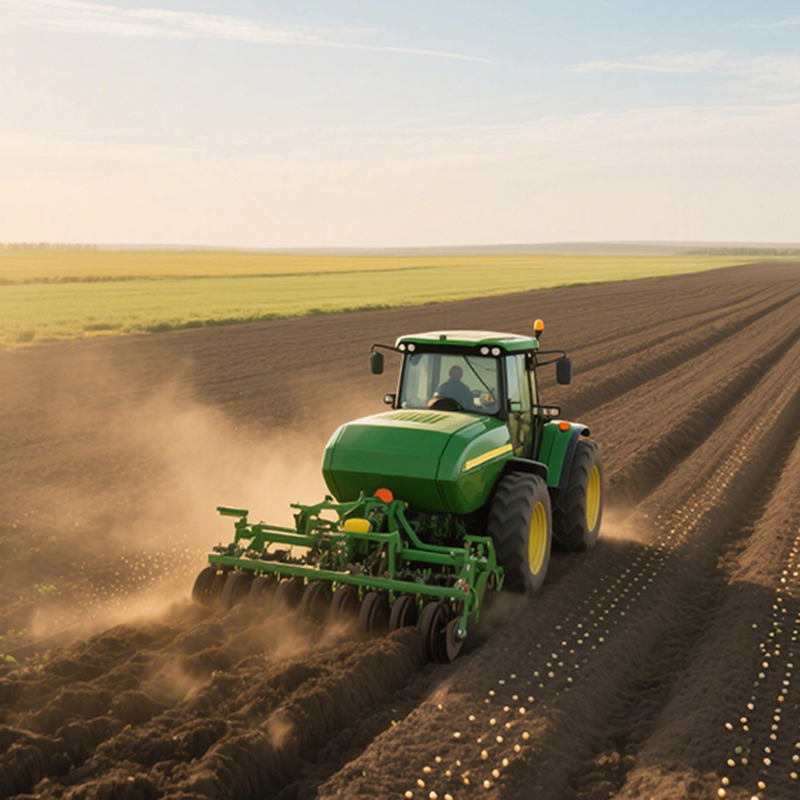
Trail mapping, marine charting, agricultural scouting, and field service all reward the same traits: sealed build, readable screen, and offline maps. If your adventures involve machinery rather than backpacks, a purpose-built vehicle tablet adds ignition-powered mounting and wider temperature tolerance.
Common Buying Mistakes
- Treating “water resistant” as “waterproof” — check the actual IP digit.
- Ignoring temperature ratings; condensation kills cheap panels.
- Assuming all Android updates exist; industrial vendors commit to longer support windows.
Bottom Line
A true android waterproof tablet is defined by tested ingress protection, readable brightness, and sealed accessories. Match the rating to your actual exposure — submersion demands IP67+, spray and rain are handled comfortably by IP66. For fleet and ag use, PDS Technology’s rugged Android line is built and tested for exactly these conditions.